
 3 months ago
51
3 months ago
51
AI-supported mammography results in fewer aggressive and advanced breast cancers, according to a study.
It detected more women with clinically relevant cancers and the authors say there's a case for implementing it in screening programmes.
The randomised control trial involved more than 100,000 Swedish women.
Cancer diagnoses after AI-supported mammography were 12% lower, and the women were less likely to be diagnosed with more aggressive and advanced breast cancer in the years that followed.
European guidelines recommend two radiologists read mammograms but some cancers still go undetected after screening.
Estimates suggest 20-30% of breast cancers diagnosed after a negative screening and before the next scheduled one (interval cancers) could have been identified at the initial appointment.
Previous studies and interim results of the Swedish trial found using AI increased detection compared with standard screening - but a key question has been if it translates into a reduction in interval cancers.
The women who took part in the trial were randomly assigned to either AI-assisted screening or standard double reading by radiologists.
The AI was trained and tested with more than 200,000 breast exams from more than 10 countries.
During the two years that followed, there were 1.55 interval cancers per 1,000 women in the AI group, compared with 1.76 interval in the control group: a 12% reduction.
Eight-one percent of cancer cases were also detected at screening that used AI, compared with 74% of cancer cases in the control group.
The rate of false positives was similar for both groups, at 1.5% in the AI group and 1.4% in the control group.
The results from the trial have been published in The Lancet medical journal.
Read more from Sky News:
X to block Grok AI from undressing images of real people
Menopause 'triggers loss of brain matter'
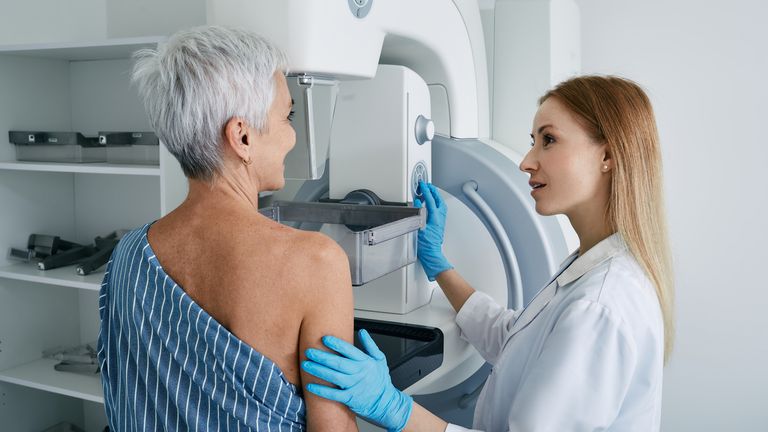
Lead author Dr Kristina Lang, from Lund University, said the study - which took place between 2021 and 2022 - was the biggest so far to look at AI use in cancer screening in general.
"It finds that AI-supported screening improves the early detection of clinically relevant breast cancers, which led to fewer aggressive or advanced cancers diagnosed in between screenings," she said.
Dr Lang said using AI in healthcare "must be done cautiously" with constant checks to "ensure we have good data on how AI influences different regional and national screening programmes".
Jessie Gommers, a PhD student involved in the study, said AI-assisted mammography still needs at least one human radiologist but the results "potentially justify using AI to ease the substantial pressure on radiologists' workloads" - which could cut waiting times for patients.


















 English (US)